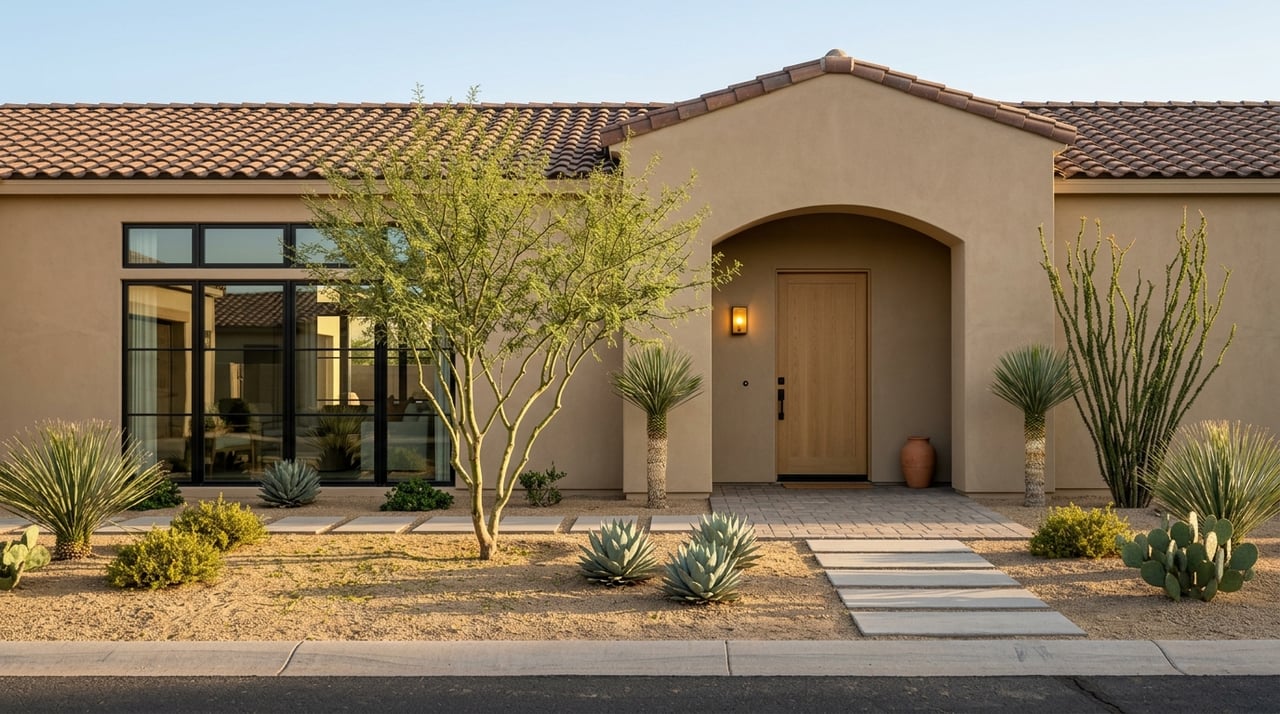
Thinking about a move to Phoenix and wondering how to narrow down the right area? That is one of the biggest relocation challenges in this market, because "Phoenix" can mean very different things depending on where you look. If you want to compare your options in a smart, practical way, it helps to focus less on city names and more on how each area fits your daily life. Let’s dive in.
Start With How You Live
When you relocate, it is easy to get pulled toward a name you have heard before, a pretty listing, or a quick price comparison. In Phoenix, that can lead you off track because areas like Arcadia, North Central, Scottsdale, Paradise Valley, and Tempe each have a very different feel.
A better approach is to compare each area on four key factors: home age and style, lot size and privacy, commute direction, and amenity radius. That framework gives you a clearer picture of what day-to-day life may actually look like.
Compare the Big-Picture Baseline
Before you zoom into neighborhoods, it helps to understand the broader market backdrop. According to the latest U.S. Census QuickFacts for Phoenix, Phoenix has 1,673,164 residents, a median owner-occupied home value of $420,700, and a mean commute time of 25.7 minutes.
That citywide number is only a starting point, especially for areas within Phoenix city limits like Arcadia and North Central. Nearby cities vary quite a bit. Scottsdale QuickFacts show a median owner-occupied value of $789,800 and a 21.6-minute mean commute, while Tempe QuickFacts show a median owner-occupied value of $455,400 and a 21.4-minute mean commute. Paradise Valley QuickFacts place it in a very different category, with a $2,000,000+ median owner-occupied value and a 20.7-minute mean commute.
Arcadia and 85018
Why Arcadia Stands Out
If you want older homes, mature landscaping, and a close-in location, Arcadia is often one of the first areas to compare. The city’s Arcadia planning and historic survey materials describe a long-established residential area with historic ranch styles, Monterey Revival, and Spanish Colonial Revival examples.
This is not a uniform subdivision market. In the broader Camelback East village area, much of the housing stock was built between 1950 and 1970, which makes this part of Phoenix feel more like an older infill market with remodeling and custom variation.
What Daily Life Feels Like
Arcadia appeals to buyers who want central access without living in a dense urban core. Camelback East also includes major destination amenities like Papago Park, Phoenix Zoo, Desert Botanical Garden, and local spots such as Arcadia Park and the Shemer Art Center.
If your priorities include character, a more established streetscape, and easier access to central Phoenix, Arcadia deserves a close look. It tends to be a fit for buyers who care as much about setting and style as they do about square footage.
North Central Phoenix
What Makes North Central Different
North Central offers another strong option if you want historic character and a central location. The city describes North Central Avenue as a historic estate corridor with diverse residential styles, a tree-lined character, and large homes close to downtown.
That description matters because North Central has a very different feel from newer suburban development. The area is known more for its classic central-Phoenix streetscape and close-in residential setting than for master-planned sameness.
Who North Central May Suit Best
If you want downtown access but do not necessarily want to live in downtown itself, North Central can be a compelling middle ground. The city’s North 32nd Policy Plan notes the corridor’s transportation relevance and how State Route 51 shifted traffic patterns in the area.
The historic preservation materials for the North Central Avenue Streetscape also reinforce its protected, tree-lined identity. For relocation buyers, that often translates into a strong sense of place and a more established visual environment.
Scottsdale
Why Scottsdale Requires Subarea Comparisons
Scottsdale is one of the most varied options in the Phoenix area, which means it should never be treated as one single housing type. The city’s zoning framework includes single-family districts along with townhouse, resort, and multi-family districts.
Size is also a major factor. Scottsdale stretches 31 miles from north to south, so south Scottsdale, central Scottsdale, Old Town, and north Scottsdale can feel very different from one another.
What Scottsdale Offers
If you want a wide range of property types and lifestyle options, Scottsdale may be the broadest comparison area on your list. Old Town Scottsdale serves as the city’s urban core, with more than 90 restaurants, 320 retail shops, and over 80 art galleries.
Scottsdale also offers a major outdoor component through the McDowell Sonoran Preserve and its 60+ miles of trails. For many relocation buyers, that mix of city amenities and outdoor access is a big draw.
When Scottsdale Makes Sense
Scottsdale is worth prioritizing if you want choice. It can make sense for buyers who want to compare different home styles, lot patterns, and daily environments without leaving one city.
It is also one of the clearest examples of why commute direction matters. Even though the citywide mean commute is 21.6 minutes, your actual experience may vary depending on whether you choose a southern, central, or northern part of the city.
Paradise Valley
Paradise Valley at a Glance
Paradise Valley is the clearest fit in this group if you want estate-style living and a mostly single-family environment. According to the town’s basic facts and zoning information, it is predominantly zoned single-family, and the dominant R-43 zoning district has a one-acre minimum lot size.
That land pattern creates a very different experience from denser parts of Phoenix, Scottsdale, or Tempe. It supports a market centered on larger lots, more separation between homes, and a more estate-oriented setting.
What the Lifestyle Looks Like
The town is framed by Camelback Mountain, Phoenix Mountain Preserve, and the McDowell Mountains. Its visitor and town information also highlights nine resorts, three golf courses, and four medical centers, which adds to the area’s resort-residential feel.
From a value standpoint, Paradise Valley stands apart. Its Census housing profile reports a 95.0% owner-occupied rate, reinforcing its position as a highly residential, ownership-focused market.
Tempe
Tempe’s Urban Advantage
If you want a more urban housing mix, stronger transit access, and more multimodal transportation options, Tempe stands out. The city’s planning and character area materials emphasize urban living, transit-oriented development, mixed use, and multi-family housing.
Tempe also signals an infill-friendly pattern through its planning approach and housing types. The city notes that many condominium and townhome developments, along with some newer single-family subdivisions, have HOAs.
Transportation and Activity Density
Tempe reports the most diverse transportation system in Arizona and says it has the highest bicycle commute rate in the region and the highest per-capita transit ridership in the state. The city’s system includes light rail, streetcar, bus, paratransit, and more than 220 miles of bicycle facilities, as outlined in its official planning pages.
Lifestyle is another major differentiator. Tempe Town Lake anchors the city with parks, a marina, memorial spaces, a boat beach, and habitat areas, while downtown Tempe and ASU add to its more active, urban environment.
Compare Areas by What Matters Most
If you are relocating to Phoenix, these side-by-side questions can help you compare more effectively:
- Do you want historic character and mature landscaping? Start with Arcadia and North Central.
- Do you want the widest range of property types and price points? Scottsdale is often the most varied.
- Do you want estate-scale privacy and larger lots? Paradise Valley is the clearest match.
- Do you want transit, biking, and a more urban mix? Tempe stands out.
- Do you want central access with an established residential feel? Arcadia and North Central should stay high on your list.
Use a Simple Relocation Filter
Here is a practical way to sort your options before you tour homes:
| Comparison Factor | Best Areas to Review First |
|---|---|
| Home age and architectural variety | Arcadia, North Central, Scottsdale |
| Lot size and privacy | Paradise Valley, parts of Scottsdale |
| Central Phoenix access | Arcadia, North Central |
| Transit and multimodal options | Tempe |
| Amenity-rich city lifestyle | Scottsdale, Tempe |
This kind of filter can save you time and keep your search grounded in the way you actually live. It also helps you avoid comparing places that may look similar in an online search but function very differently once you arrive.
Final Thoughts on Relocating to Phoenix
The smartest relocation decisions usually come from asking better comparison questions, not just browsing more listings. In Phoenix, that means looking closely at built form, commute patterns, lot sizes, and daily amenities instead of assuming every area offers the same lifestyle.
If you are weighing Arcadia, North Central, Scottsdale, Paradise Valley, or Tempe, a tailored strategy can make the process much clearer. The The Bray Team can help you compare the right areas, narrow your search, and move forward with confidence.
FAQs
What is the best way to compare Phoenix areas when relocating?
- Focus on four key factors: home age and style, lot size and privacy, commute direction, and amenity radius.
How does Arcadia compare to North Central Phoenix for relocation?
- Arcadia and North Central both offer historic character and central access, but Arcadia is often framed around older infill housing and nearby destination amenities, while North Central is known for its tree-lined estate corridor feel.
Why should Scottsdale be compared by subarea instead of as one market?
- Scottsdale stretches 31 miles north to south and includes multiple zoning types, so housing style, density, and day-to-day feel can change significantly by location.
What makes Paradise Valley different from nearby Phoenix and Scottsdale areas?
- Paradise Valley is predominantly single-family and estate-oriented, with one-acre minimum lots common in its dominant zoning district.
Is Tempe a good fit for buyers relocating to the Phoenix area?
- Tempe can be a strong fit if you want a more urban setting, mixed housing types, and access to light rail, streetcar, bus service, and extensive bike facilities.